
Ladder Game Guide | Ladder Game
Ladder Game is a cards title built around making a choice, checking the next result, and deciding whether to continue or protect the current step. The clearest way to approach it is to learn the round controls first, then use a demo-style review before considering any promotional entry.
In short, a Ladder Game round is about disciplined decisions rather than a guaranteed climb: set a limit, understand the visible card cues, and stop when the planned session ends.
 Ladder Game
Category: cards · Review the controls and terms at the entry point before you decide to play.
Ladder Game companions for a cards session
CardsThese compact picks use the same local game facts as the site lobby. Five Card Poker has a real detail route; the other cards entries open the site's promotional access behavior.
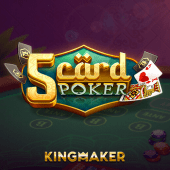



Ladder Game visuals: what the screen should tell you
The local Ladder Game artwork is a useful visual anchor, while the surrounding controls should answer three practical questions: what is the current step, what choice is available, and what balance or limit applies.
Ladder Game step marker
A clear step marker should make the present position easy to see. If a value, level, or card is hard to read, pause and enlarge the page before choosing.
Ladder Game action area
Look for separate continue, collect, or confirmation controls. Keeping those actions distinct reduces accidental taps on a small phone.
View the Ladder Game entry only after the artwork, controls, and session boundary make sense to you.
Ladder Game RTP Analysis: reading return information
RTP is a long-run mathematical reference, not a promise for one Ladder Game round. A useful analysis checks the published rules and any displayed return information, then compares that context with the planned stake and stop point.
Because a supplied game record identifies Ladder Game as a cards title but does not publish a title-specific RTP figure, this guide does not invent a percentage. Confirm the current information panel, eligible modes, and any terms at the point of access.
| RTP question | What to check | Why it matters |
|---|---|---|
| Definition | Long-run return reference | It cannot predict the next card or choice. |
| Rules | Step, collect, and stake terms | Small rule differences change decisions. |
| Session | Budget and stop limit | Limits keep variance from driving the plan. |
Ladder Game return lens
Separate expected return from short-term results. A favorable-looking sequence is not evidence that the next decision is due to succeed.
Check the current game informationLadder Game variance lens
Record a small number of planned rounds if you are learning, but never treat a personal sample as proof of a changed RTP.
Review the available play routeFor a broader account and platform perspective, the Okada Casino Review safety checklist is a useful companion to this return-rate explanation.
Ladder Game mechanics explained before you choose
The core mechanics are easiest to understand as a sequence: set the stake, read the current state, make one permitted choice, and decide whether the result justifies continuing within your limit.
Ladder Game setup
Start by checking the minimum stake, available balance, and any displayed rules. Choose an amount that belongs to this session rather than to your whole bankroll.
Ladder Game choice
Read the current card or level and identify what each on-screen action means. Do not tap continue until the cost and possible next state are clear.
Ladder Game collect decision
If the interface offers a collect or cash-out decision, treat it as a pre-set risk choice. A prior result should not force a new wager.
Ladder Game session close
Stop at the budget, time, or result boundary you selected before starting. Close the session if the connection, rules, or balance display becomes unclear.
Ladder Game mobile checklist
- Use a private device and verify the page identity before entering account details.
- Keep buttons at a comfortable zoom and never rush a confirmation tap.
- Do not chase a loss by moving up a step or increasing the next stake.
- Take a break if the round sequence feels faster than your decisions.
Players comparing card formats can also read the 5 Card Poker card-hand guide before choosing a different pace.
Ladder Game relationships between player, card, and service
Ladder Game sits at the center of a small decision system. The player supplies a chosen stake and action; the cards interface displays a state; the game rules determine what choices are available; and the okada casino service provides the account, access, and support layer around that session.
Ladder Game and the player
The player controls the starting limit and whether to continue. The interface should never replace personal judgment about time, money, or eligibility.
Ladder Game and cards
The cards state is the visible event a player reads. It is separate from the account balance and should not be interpreted as a guaranteed progression.
Ladder Game and rules
Rules connect a displayed result to the next permitted action. Read the current paytable or help panel when a label is unfamiliar.
Ladder Game and okada casino
The service layer connects the title to entry, account controls, and support. A promotion is an access action, not a promise of a result.
Open the okada casino Ladder Game route when you have checked the relationships and are ready to make an informed choice.
For a different visual theme, the Lucky Neko game overview shows how another title can organize its own feature information.
Ladder Game planning notes for responsible play
A good Ladder Game plan is simple enough to follow when a round is exciting. Decide the session amount and time in advance, use only funds set aside for entertainment, and stop without trying to recover a loss.
Confirm the current rules, account status, and any age or location requirements. Keep login information private.
Use the smallest comfortable decision pace, take breaks, and keep a note of the planned stop point.
Review the session calmly. A win does not require another round, and a loss does not require a larger stake.
Leave the page and use responsible-gaming controls or local support resources if play stops feeling manageable.